










Hochleistungskeramiken finden zunehmend Anwendung in den Bereichen Halbleiterverpackung, Leistungselektronik, medizinische Geräte, Luft- und Raumfahrtsysteme sowie industrielle Präzisionskomponenten. Materialien wie Aluminiumoxid, Aluminiumnitrid, Zirkonoxid und Siliziumnitrid werden ausgewählt, da sie sich durch hohe Härte, elektrische Isolierung, thermische Stabilität und Korrosionsbeständigkeit auszeichnen. Genau diese Eigenschaften machen es jedoch auch schwierig, sie zu bearbeiten.
Für Hersteller ist der Schneidvorgang kein einfacher Vorbereitungsprozess. Er bestimmt die Kantenqualität, die Maßgenauigkeit, die Materialausbeute und den späteren Aufwand für die Nachbearbeitung. Wenn Keramikplatten oder -substrate beim Schneiden absplittern, ist der dadurch entstehende Verlust oft kostspieliger als die Schneidzeit selbst. Aus diesem Grund prüfen viele Betriebe Diamantdrahtsäge Technologie für das Schneiden mit Hochleistungskeramik.
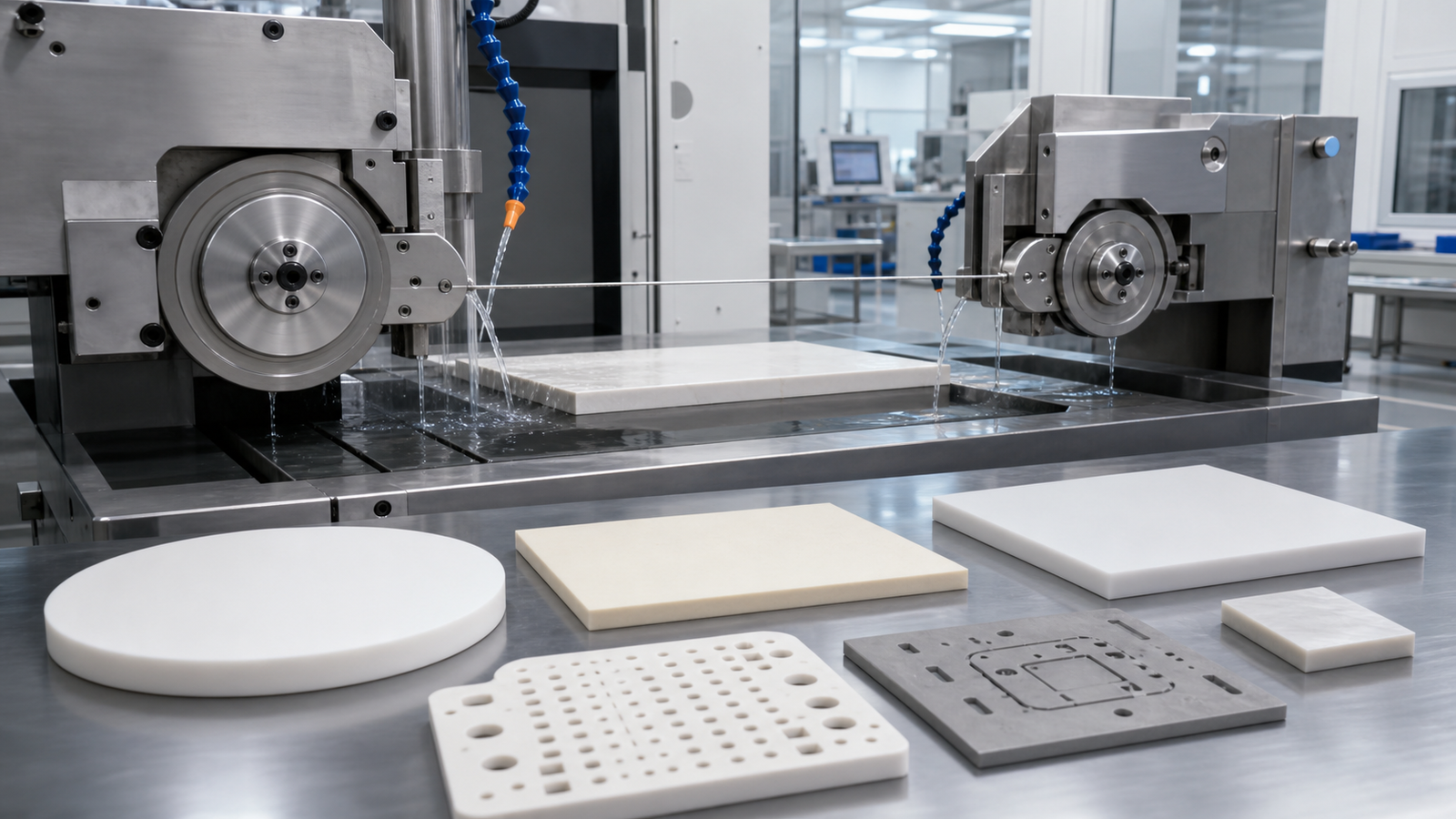
Warum sich Hochleistungskeramik nur schwer schneiden lässt
Hochleistungskeramiken sind hart, spröde und lassen sich oft nur kostspielig sintern oder bearbeiten. Im Gegensatz zu Metallen nehmen sie Schnittspannungen nicht durch plastische Verformung auf. Wenn die lokale Schnittkraft zu hoch wird, baut das Material die Spannung durch Risse, Kantenausbrüche oder plötzlichen Bruch ab.
Auch das thermische Verhalten spielt eine Rolle. Manche Keramiken werden aufgrund ihrer guten Wärmeleitfähigkeit eingesetzt, wie beispielsweise Aluminiumnitrid. Andere werden aufgrund ihrer Isolierfähigkeit oder Verschleißfestigkeit ausgewählt. Beim Schneiden können Hitze, Vibrationen und die Ansammlung von Spänen den Oberflächenzustand verändern und das Risiko von Mikrorissen erhöhen. Bei Substraten für die Halbleiterverpackung können bereits kleine Kantenfehler die Ausbeute bei der Montage verringern oder zu Bedenken hinsichtlich der Zuverlässigkeit führen.
Das führt dazu, dass Schneiden von hartem, sprödem Material ein Problem der Prozesssteuerung. Die Anlage muss das Material effizient abtragen und gleichzeitig die Schnittkraft in einem vorhersehbaren Bereich halten. Die Steifigkeit der Maschine, die Drahtspannung, die Vorschubgeschwindigkeit, die Kühlmittelzufuhr und die Aufspannung tragen alle zur Qualität des Ergebnisses bei.
Häufige Probleme beim Schneiden von Keramiksubstraten
Kantenausbrüche sind das auffälligste Problem. Sie treten häufig auf, wenn das Werkstück unzureichend abgestützt ist, die Vorschubkraft zu hoch ist oder wenn Vibrationen zu einem instabilen Kontakt zwischen dem Draht und der Keramik führen. Ausbrüche verringern die nutzbare Fläche und können zusätzliches Schleifen erforderlich machen.
Schäden unter der Oberfläche sind schwieriger zu erkennen. Ein Keramikbauteil kann nach dem Schneiden zwar einwandfrei aussehen, dennoch aber Mikrorisse unter der Oberfläche aufweisen. Diese Risse können sich beim anschließenden Polieren, bei der Metallisierung, beim Hartlöten oder bei Temperaturwechselbeanspruchungen vergrößern. Für hochzuverlässige Elektronik stellen verborgene Schäden ein ernstes Risiko dar.
Auch der Schnittverlust spielt eine Rolle. Keramikrohlinge und -substrate können kostspielig sein, insbesondere in Sondergrößen. Ein schmalerer und stabilerer Schnitt trägt zu einer besseren Materialausnutzung bei. Die Verwendung eines dünnen Drahtes ohne konstante Spannung kann jedoch zu einer Verformung des Drahtes und einer ungleichmäßigen Schnittgeometrie führen.
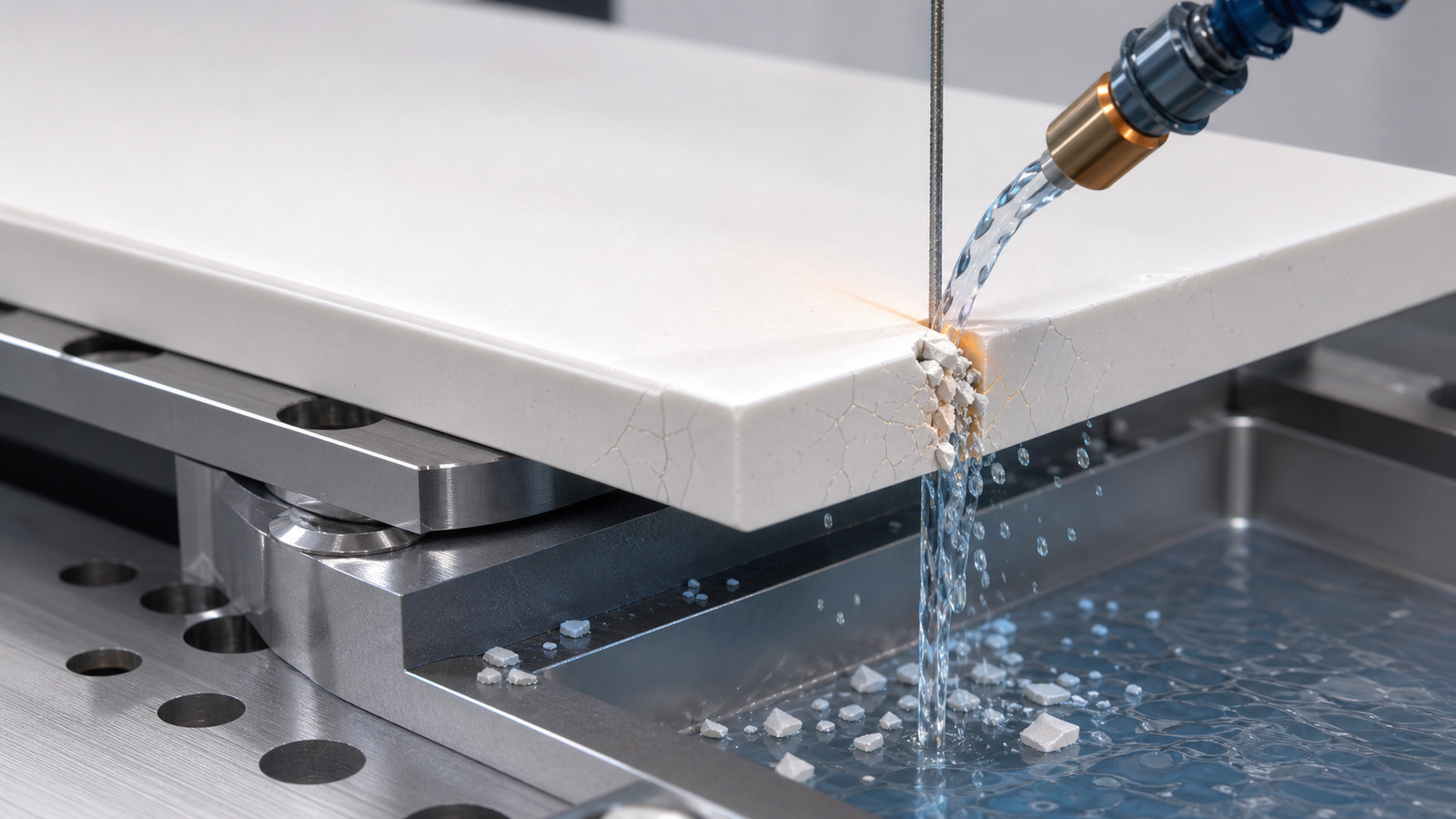
Wie die Diamantdrahtsägetechnologie hilft
A Präzisions-Diamantdrahtsäge verwendet Diamantschleifmittel auf einem feinen Draht, um Keramikmaterial durch kontrollierten Abrieb zu entfernen. Im Vergleich zum Schneiden mit einer Klinge kann der Draht eine schmale Schnittspur mit geringerer Kontaktbelastung erzeugen. Dies trägt dazu bei, den Schnittverlust zu verringern und das Risiko von Kantenbeschädigungen zu senken, wenn der Prozess optimiert ist.
Eine gleichmäßige Drahtbewegung ist unerlässlich. Ein Endlos-Diamantdrahtsäge kann für die Forschung und Entwicklung im Keramikbereich, für Sonderformen und die Kleinserienfertigung nützlich sein, da die durchgehende Drahtschleife ein gleichmäßiges Schneidverhalten gewährleistet. Für Betriebe, die viele flache Substrate schneiden, ist ein Diamant-Mehrdrahtsäge kann in Betracht gezogen werden, wenn Durchsatz und gleichmäßige Dicke im Vordergrund stehen.
Die Kühlmittelzufuhr und die Entfernung von Spänen sollten nicht als nebensächliche Details betrachtet werden. Keramikspäne können im Schnitt zurückbleiben und die Oberfläche zerkratzen oder den Schnittwiderstand erhöhen. Ein gleichmäßiger Kühlmittelstrom trägt dazu bei, Partikel zu entfernen und die Wärmeentwicklung zu kontrollieren. Ebenso wichtig ist die Konstruktion der Spannvorrichtung, insbesondere bei dünnen Blechen, die während des Schneidvorgangs vibrieren oder sich verbiegen können.
Ratschläge zur Geräteauswahl für Ingenieure und Einkäufer
Legen Sie vor der Auswahl der Anlage die Keramikart, die Sinterdichte, die Bauteilgröße, die Soll-Dicke, die Anforderungen an die Kantenqualität und die zulässige Schnittbreite fest. Wenn das Bauteil in der Halbleiterverpackung zum Einsatz kommen soll, berücksichtigen Sie auch nachgelagerte Anforderungen wie Metallisierung, Kleben oder Lasermarkierung. Diese Details beeinflussen das ideale Prozessfenster.
F&E-Teams und Labore können von einem Tisch-Diamantdrahtsäge mit Endloslauf da dadurch Testschneidvorgänge an kleinen Proben, Ausschussteilen oder neuen Materialchargen möglich sind. Die Produktionsteams sollten die Wiederholgenauigkeit, die Lebensdauer des Drahtes, den Werkzeugwechsel, die Kühlmittelfiltration und die Schulung des Bedienpersonals bewerten.
Bei nicht standardmäßigen Keramikplatten oder komplexen Formen kann eine maßgeschneiderte Ausrüstung praktischer sein, als eine Standardsäge zwangsweise an den Prozess anzupassen. Ewirexon’s Diamantdrahtsäge zum Schneiden von Keramik und Beratung zu Prozessparametern Diese Seiten sind nützliche interne Referenzen für diese Art des anwendungsorientierten Denkens.
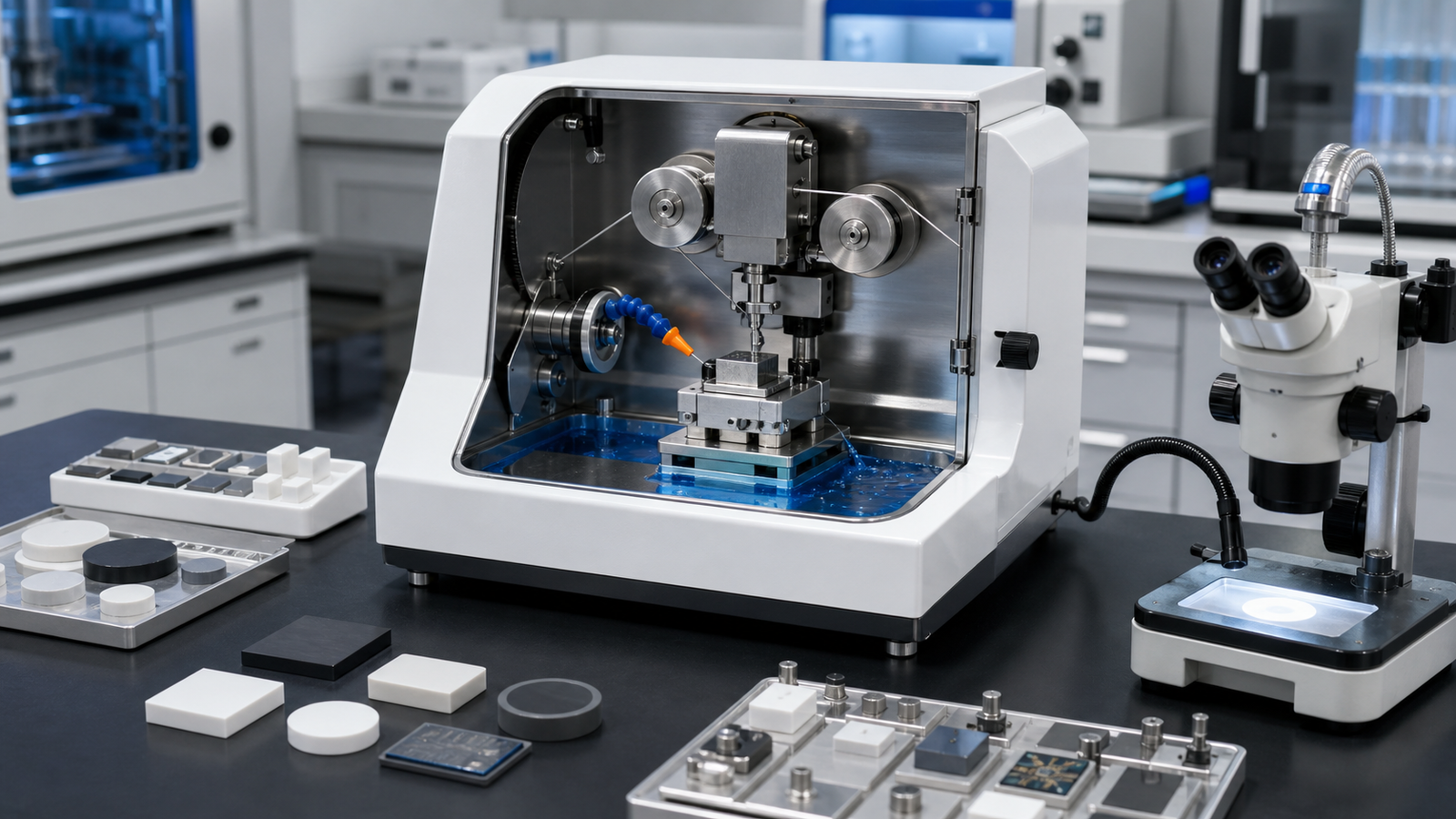
Praktisches Prozessfenster für das Schneiden von Keramik
Ein zuverlässiger keramischer Schneidprozess sollte sich eher an einem definierten Prozessfenster als an einer einzigen Schnittgeschwindigkeit orientieren. Ingenieure sollten bei jedem Versuch die Drahtgeschwindigkeit, die Vorschubgeschwindigkeit, den Drahtdurchmesser, den Zustand des Kühlmittels, das Verhalten der Schnittkräfte, die Kantenqualität und den Oberflächenzustand aufzeichnen. Ändert sich ein Parameter, sollte das Ergebnis erneut überprüft werden, anstatt davon auszugehen, dass das bisherige Qualitätsniveau weiterhin gültig ist.
Beispielsweise kann eine dickere Aluminiumoxidplatte eine andere Vorschubgeschwindigkeit vertragen als ein dünnes Aluminiumnitrid-Substrat. Zirkonoxid kann sich anders verhalten als Siliziumnitrid, da Bruchzähigkeit, Dichte und thermisches Verhalten nicht identisch sind. Selbst innerhalb derselben Keramikfamilie können die Qualität des Lieferanten und die Sinterqualität den Drahtverschleiß und das Ausbrechen der Kanten beeinflussen.
Beschaffungsteams sollten sich erkundigen, ob der Lieferant diese Parameterzuordnung unterstützen kann. Eine Diamantdrahtschneidemaschine sollte mit einem realistischen Plan für den Übergang zur stabilen Produktion geliefert werden, nicht nur mit einem technischen Datenblatt. Zu den nützlichen Unterstützungsleistungen gehören Probeschnitte, Beratung zur Spannvorrichtung, Empfehlungen zum Kühlmittel, zur Drahtauswahl sowie die Schulung des Bedienpersonals.
Wie Ewirexon Projekte im Bereich des Keramikschneidens unterstützt
Die Keramikschneidtechnik von Ewirexon ist Teil eines umfassenderen Portfolios für das Schneiden von harten, spröden Werkstoffen, darunter SiC, Saphir, Quarzglas, elektronische Substrate und Spezialkristalle. Dies ist von Bedeutung, da viele Probleme beim Schneiden von Keramik auch bei anderen spröden Werkstoffen auftreten: Kantenausbrüche, Schnittspaltverlust, Drahtdurchbiegung, Späneabfuhr und verborgene Schäden unter der Oberfläche.
Bei Projekten in der Frühphase kann eine Desktop- oder kompakte Endlos-Diamantdrahtsäge dabei helfen, zu überprüfen, ob sich das Material sauber schneiden lässt. Bei serienreifen Keramiksubstraten gewinnen die Maschinensteifigkeit, die Wiederholgenauigkeit der Spannvorrichtung und die Lebensdauer der Verschleißteile an Bedeutung. Bei ungewöhnlichen Geometrien kann die Entwicklung maßgeschneiderter Vorrichtungen erforderlich sein, damit die Maschine das Werkstück stützt, anstatt es in einen Standard-Arbeitsbereich zu zwängen.
Der beste Ausgangspunkt ist ein Materialprofil: Keramiktyp, Bauteilzeichnung, Solltoleranz, Schnittrichtung, aktuelle Fotos der Defekte und Anforderungen an das Endprodukt. Mit diesen Informationen fällt die Entscheidung zwischen einer Endlos-Diamantdrahtsäge, einer Diamant-Mehrdrahtsäge oder einer maßgeschneiderten Diamantdraht-Schneidelösung wesentlich leichter.
Kostenfaktoren über den Maschinenpreis hinaus
Für Keramikhersteller bedeutet der niedrigste Maschinenpreis selten auch die niedrigsten Produktionskosten. Ein aussagekräftigerer Vergleichsmaßstab sind die Kosten pro einwandfreiem Teil. Dazu zählen Schnittverluste, Ausschuss, Drahtverbrauch, Verschleiß der Spannvorrichtungen, Kühlmittelmanagement, Prüfzeit sowie zusätzliches Schleifen oder Polieren nach dem Schneiden.
Ein langsameres, aber stabiles Schneidprogramm kann wirtschaftlicher sein als ein schnelleres Programm, bei dem Kanten spanabgetragen werden. Ebenso kann sich eine bessere Halterung amortisieren, wenn sie Bruchschäden an teuren Keramikplatten verhindert. Fragen Sie beim Vergleich von Anbietern nach Daten zu Probeschnitten, der erwarteten Lebensdauer des Drahtes, der empfohlenen Prüfmethode und der Unterstützung bei der Prozessoptimierung nach der Installation.
Käufer sollten außerdem berücksichtigen, ob die Anlage auch für zukünftige Werkstoffe geeignet ist. Viele Fabriken, die zunächst mit Aluminiumoxid arbeiten, führen später Aluminiumnitrid, Zirkonoxid, Siliziumnitrid oder Substrate aus elektronischer Keramik ein. Eine flexible Diamantdrahtsägen-Plattform bietet dem Prozessteam mehr Spielraum, um sich an veränderte Produktanforderungen anzupassen.
Checkliste vor dem Kauf für Schnittversuche
Bevor Sie ein Schneidsystem freigeben, sollten Sie einen strukturierten Test durchführen, anstatt sich ausschließlich auf die Angaben im Katalog zu verlassen. Bereiten Sie repräsentative Materialproben vor, legen Sie die gewünschte Dicke und die Anforderungen an die Schnittkanten fest und vereinbaren Sie, wie die Ergebnisse geprüft werden sollen. Bei dem Test sollten die Schnittbreite, die Schnittzeit, der Zustand des Drahtes, die Schnittkantenqualität, der Oberflächenzustand sowie etwaige Anzeichen für verborgene Schäden erfasst werden.
Bitten Sie den Lieferanten, die Ausgangsparameter zu erläutern und zu erklären, warum diese gewählt wurden. So kann Ihr Ingenieurteam besser nachvollziehen, ob der Prozess auf dem Materialverhalten basiert oder lediglich auf einer Standard-Maschinenrezeptur. Sollte das erste Ergebnis nicht optimal sein, sollte der Lieferant erklären können, welcher Parameter als Nächstes angepasst werden sollte und mit welchen Kompromissen zu rechnen ist.
Bei Werken im Ausland sollten zudem die Installation, Ersatzteile, Schulungen und die Fernfehlerbehebung berücksichtigt werden. Präzisionsschneidanlagen schaffen nur dann einen Mehrwert, wenn die Bediener den Prozess nach der Inbetriebnahme stabil halten können. Eine gute Kaufentscheidung vereint daher Maschinenleistung, Verbrauchsmaterialstrategie und langfristige Prozessunterstützung.
Häufig gestellte Fragen
Was ist die beste Methode zum Schneiden von Hochleistungskeramik?
Bei vielen Anwendungen im Bereich der Präzisionskeramik wird das Schneiden mit Diamantdrahtsägen bevorzugt, da dadurch im Vergleich zu aggressiveren Schneidverfahren die Schnittspannungen, der Schnittspaltverlust und das Ausbrechen von Kanten reduziert werden können.
Kann eine Diamantdrahtsäge Aluminiumnitrid und Zirkonoxid schneiden?
Ja. Diamantdrahtsägesysteme können Aluminiumnitrid, Zirkonoxid, Aluminiumoxid, Siliziumnitrid und andere Hochleistungskeramiken schneiden, sofern Drahttyp, Vorschubgeschwindigkeit, Kühlmittel und Spannvorrichtung auf das Material abgestimmt sind.
Warum entstehen beim Schneiden Absplitterungen an Keramiksubstraten?
Spanbildung entsteht in der Regel durch hohe lokale Belastungen, Vibrationen, unzureichende Abstützung, verschlissenen Draht oder unzureichende Spanabfuhr. Die Prozessstabilität ist wichtiger als eine bloße Verlangsamung des Schneidvorgangs.
Wann sollte ich eine stationäre Diamantdrahtsäge mit Endlosschleife einsetzen?
Setzen Sie es für Forschung und Entwicklung, Probenvorbereitung, das Schneiden kleiner Chargen und die Prozessvalidierung ein, wenn Flexibilität und schonendes Schneiden wichtiger sind als hohe Stückzahlen.
Welche Informationen sollte ich übermitteln, bevor ich eine Lösung zum Schneiden von Keramik anfordere?
Geben Sie die Materialart, die Abmessungen, die angestrebte Dicke, die Toleranz, die Anforderungen an die Kantenqualität, die angestrebte Stückzahl sowie etwaige aktuelle Probleme wie Ausbrüche, Risse oder übermäßigen Schnittverlust an.